Getting the best sound from a turntable isn’t just about choosing the right record player; the speakers you pair with it matter just as much. For many people new to vinyl, this is usually where the confusion starts. Do turntables actually need speakers? Do they need an amplifier or a preamp? And what type of speakers actually work best with vinyl?
Unlike the majority of modern audio devices, a turntable doesn’t need to connect directly to a set of speakers. The signal it produces is extremely different to digital audio, which means choosing the wrong setup can cause quiet, flat, or distorted sound. Understanding how speakers, preamps, and amplifiers work together is the key to getting the rich, detailed sound vinyl is known for.
Don’t worry, throughout this guide, we will break down everything you need to know about speakers for turntables. From understanding the signal flow to choosing between active and passive speakers, we’ll explain each step in plain terms so you can build a setup that sounds great, whether you’re a beginner or upgrading an existing system.
Do You Need Speakers for a Turntable?
Yes, you do need speakers for a turntable. On its own, a turntable can’t produce sound at a usable volume. A turntable’s purpose is to read grooves in a vinyl record and convert them into an audio signal. However, the signal is very quiet and needs to be amplified before it can be heard properly. This is why speakers are essential to any vinyl setup. This amplification comes from either a built-in or external phono pre-amp and an amplifier.
Some modern record players do include built-in speakers, but these are typically small and designed for convenience over sound quality. While they can be useful for casual listening, they don’t deliver the depth, clarity, or detail that vinyl is capable of. Using external speakers makes a noticeable difference, especially when it comes to vocals, bass response, and overall balance.
Understanding the Turntable Signal Flow
To understand why turntables need specific speakers and extra equipment, it helps to know how sound travels from a record to your ears. Unlike phones, TVs, or streaming devices, a turntable produces a very low-level audio signal that can’t be sent straight to most speakers.
A typical burnable setup follows this signal path: Turntable > Preamp > Amplifier > Speakers
Each part has a specific job:
The turntable reads the grooves in a vinyl record using a stylus. This movement creates a tiny electrical signal, but it’s far too weak to power speakers on its own.
The preamp (also called a phono preamp) boosts this weak signal to a standard listening level. It also applies equalisation that restores the balance of bass and treble, which is essential for records to sound correct.
The amplifier takes that boosted signal and provides enough power to drive the speakers. Without amplification, even good speakers won’t produce meaningful volume.
And finally, the speakers convert the amplified signal into sound you can hear.
Some of the components combine multiple steps. For example, some turntables include a built-in-preamp, and active speakers include their own amplifier. Understanding where these elements are built in and where they aren’t is key to finding the right speakers for a turntable and avoiding common setup mistakes.
What Is a Phono Pre-Amplifier and Why Do You Need One?
A phono pre-amplifier (often called a phono preamp) is essential when a turntable does not have one built in.
Unlike CD players, phones, or streamers, a turntable outputs a very low-level signal known as a phono signal. This signal is too weak to be sent directly to speakers or a standard amplifier. A phono pre-amp boosts this signal to line level and applies the correct equalisation so the records sound full, balanced, and clear.
Without a phono pre-amp, your system will produce little to no sound, with very weak volume and almost no bass.
Active vs Passive Speakers for Turntables
When choosing speakers for a turntable, one of the first decisions you’ll need to make is whether to go for active or passive speakers. The difference between the two comes down to amplification, and understanding this makes the rest of your setup much easier.
What Are Active (Powered) Speakers?
Active speakers, sometimes called powered speakers, have a built-in amplifier. This means they can produce sound on their own without needing a separate amp or receiver. Because the amplifier is already inside the speaker, active speakers are usually quicker and easier to set up. In many cases, they can be connected directly to a turntable that has a built-in preamp.
The benefits of active speakers are that they’re an all-in-one solution, there are fewer components and cables, and pretty ideal for beginners, especially in smaller places. However, there are fewer upgrade options for the future, and the sound quality is limited by the built-in amplifier. For many people, active speakers are an easy and practical choice for a first vinyl setup.
What Are Passive Speakers?
Passive speakers do not include an amplifier. Instead, they rely on an external amplifier or stereo receiver to power them. This type of setup requires more equipment, but it also offers more flexibility. You can choose different amplifiers, upgrade individual components over time, and fine-tune the sound to your preferences.
The benefits of passive speakers are that you can get greater control over the sound quality, it’s easier to upgrade or expand later, and it’s popular with dedicated vinyl listeners. However, maybe consider that it’ll need an amplifier or receiver, and it’ll be a slightly more complex setup.
Which Is Better for a Turntable?
Neither active nor passive speakers are automatically ‘better’, the right choice depends on what you want from your system.
- If you want a straightforward setup with minimal equipment, choose active speakers.
- If you’re interested in higher levels of customisation and long-term upgrades, go for passive speakers.
Both options can deliver excellent sound when paired correctly with a turntable, and understanding the difference helps you avoid buying speakers that won’t work with your setup.
Is a Preamp Needed to Connect a Turntable to Speakers?
In most cases, yes. If a turntable does not have a built in pre-amp, one is absolutely required to produce useable sound.
Turntables produce a very low-level signal that isn’t strong enough to work with standard speakers or amplifiers on its own. A phono preamp boosts this signal to a usable level and applies the correct equalisation so the records sound full and balanced. Without a preamp, your music will be extremely quiet and lack bass and clarity.
Why the Preamp Matters for Sound Quality
A good preamp doesn’t just make the music louder; it helps preserve the warmth, detail, and dynamics that vinyl is known for. Even in simple setups, using the correct preamp can make a noticeable difference in overall sound quality.
Understanding whether you need a preamp is one of the most common stumbling blocks for people setting up speakers for a turntable, but once it’s clear, the rest of the system becomes much easier to manage.
How to Connect Speakers to a Turntable
How you connect speakers to a turntable depends on whether your speakers are active or passive and whether a preamp is built in. While there are a few different setups, the process is straightforward once you know what to look for.
Connecting a Turntable to Active Speakers
If your turntable has a built-in preamp, you can connect it directly to active speakers using RCA cables (red and white plugs).
For a typical setup:
- Turntable (with built-in preamp) > Active speakers
If your turntable doesn’t have a built-in preamp, you’ll need an external one:
- Turntable > Preamp > Active speakers
Once connected, plug the speakers into power, select the correct input, and you’re ready to play records.
Connecting a Turntable to Passive Speakers
Passive speakers require an amplifier or receiver, as they can’t power themselves.
For a typical setup:
- Turntable > Preamp > Amplifier or receiver > Passive Speakers
In this setup, the preamp boosts the turntable’s signal, the amplifier powers the speakers, and the speakers produce the sound. While this does involve more components, it offers greater flexibility and upgrade potential.
Common Turntable Speaker Setups (Simple to Traditional)
To clarify, here are the most common ways speakers are paired with turntables, depending on the equipment used.
Simple/Active Speaker Setups
Turntable (with built-in pre-amp) → Active Speakers
This is the simplest setup and ideal for beginners, compact spaces, or anyone who wants minimal clutter. Because the pre-amp and amplifier are already built into the system, no extra components are required.
Traditional Hi-Fi Setup
Turntable → Phono pre-amp (external or built into amplifier/receiver) → Passive speakers
This is the classic vinyl setup, preferred by many enthusiasts. It offers the best sound quality, more power, and greater flexibility for future upgrades, but it requires more components.
Bluetooth Setup
Turntable (with Bluetooth or external transmitter) → Bluetooth speakers or receiver
This option prioritises convenience and a cable-free setup. While easy to use, Bluetooth compresses the audio signal, meaning some detail and warmth may be lost compared to a wired connection.
Can You Use Bluetooth Speakers With a Turntable?
Yes, you can use Bluetooth speakers with a turntable, but there are a few important things to understand before choosing this type of setup.
Some modern turntables include built-in Bluetooth, allowing them to send audio wirelessly to Bluetooth speakers or headphones. In these cases, no physical cable is needed between the turntable and the speaker. However, Bluetooth works by compressing the audio signal before transmitting it. While this is convenient, it can reduce the detail and warmth that make vinyl sound special in the first place.
Bluetooth speakers are a great option if you want a clutter-free setup, your space is limited, and if you’re more of a casual listener rather than a critical listener. For background music or occasional listening, Bluetooth can be perfectly enjoyable.
What Type of Speakers Sound Best With a Turntable?
The best speakers for a turntable are those that reproduce sound with warmth, clarity, and balance. Vinyl has a natural, analogue character, so speakers that emphasise detail without sounding harsh tend to work best. The right choice also depends on how simple you want your setup to be and how much flexibility you’d like in the future.
Below, we’ll look at the main speaker types that pair well with turntables, along with examples that suit different listening styles and budgets.
Active (Powered) Speakers: Simple, All-in-One Solutions
Active speakers have a built-in amplifier, which makes them an excellent option if you want a clean, straightforward vinyl setup. When paired with a turntable that has a built-in preamp (or an external phono preamp), they can be connected directly with minimal cabling.
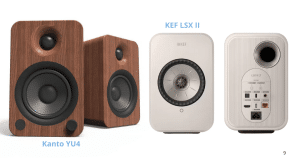
Compact active bookshelf speakers are especially popular for vinyl, offering a good balance of clarity, warmth, and space-saving design. Models like the Kanto YU4 are a strong example, combining punchy sound with a size that works well in most rooms. For those looking for a more premium, modern system, the KEF LSX II offers impressive detail, a wide soundstage, and wireless flexibility while still delivering excellent performance with vinyl.
Passive Speakers: Classic Hi-Fi Sound and Upgrade Potential
Passive speakers require an external amplifier or receiver, but they’re often the preferred choice for vinyl enthusiasts. This approach allows more control over sound quality and makes it easier to upgrade individual components over time.
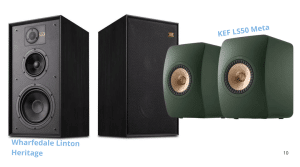
Many passive speakers available at HiFix are well known for their musical, vinyl-friendly sound. The Wharfedale Linton Heritage, for example, is a popular choice for turntable systems thanks to its warm, full-bodied presentation and classic hi-fi character. For a more modern sound, the KEF LS50 Meta delivers exceptional clarity and imaging, making it ideal for listeners who want detail and precision from their records.
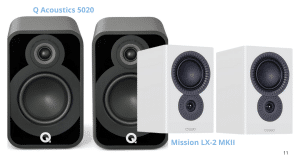
More affordable options, such as the Q Acoustics 5020 or Mission LX-2 MKII, also pair very well with turntables, offering excellent performance for smaller rooms or entry-level hi-fi systems.
Bookshelf vs Floorstanding Speakers
Bookshelf speakers are the most common choice for turntables. They’re compact, versatile, and capable of excellent sound when placed on proper stands. Most vinyl setups benefit from a good pair of bookshelf speakers, especially in small to medium-sized rooms.
Floorstanding speakers are better suited to larger spaces. Models like the Q Acoustics 5040 offer deeper bass and a bigger, more room-filling sound, making them ideal for listeners who want a more immersive vinyl experience without adding a subwoofer.
Whether you opt for active speakers for simplicity or a passive hi-fi setup for ultimate sound quality, HiFix offers a wide range of speakers that work beautifully with turntables. The key is choosing speakers that suit your space, listening habits, and how far you want your vinyl system to grow.
Speaker Placement Tips for Better Turntable Sound
Even the best speakers won’t sound their best if they’re positioned poorly. Speaker placement plays a big role in how your turntable system sounds, affecting clarity, balance, and stereo imaging. A few simple adjustments can make a noticeable difference.
- Position speakers at ear height
For the most natural sound, speakers should be positioned so the tweeters (the smaller drivers responsible for high frequencies) are roughly at ear level when you’re seated. This helps vocals and instruments sound clearer and more focused.
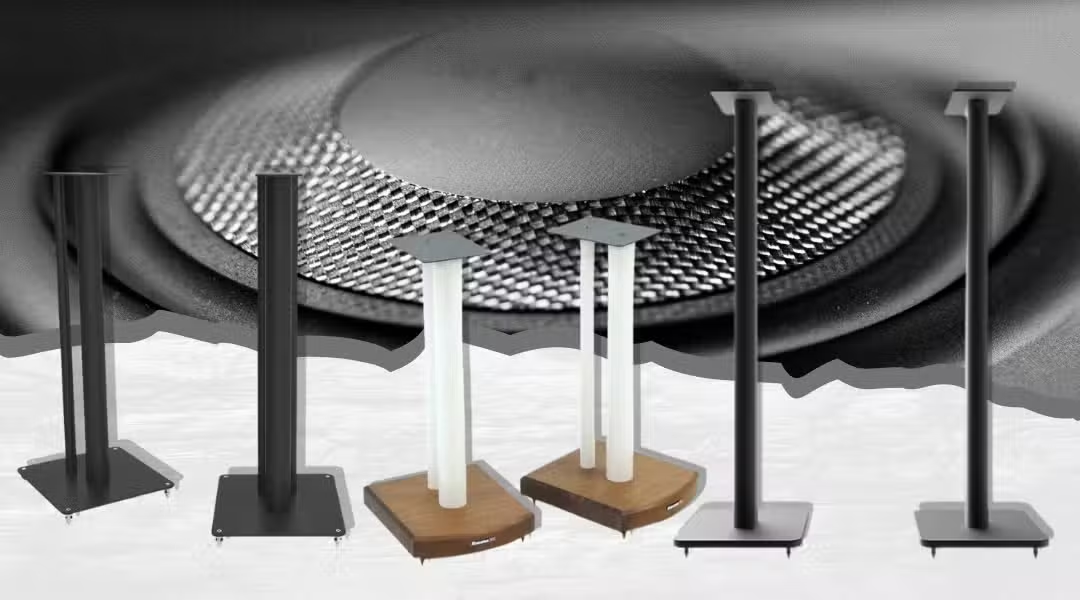
If you’re using bookshelf speakers, placing them on dedicated speaker stands rather than shelves or furniture usually delivers better results.
- Leave space around the speakers
Avoid placing speakers directly against walls or in corners unless they’re specifically designed for it. Giving speakers a little space allows sound to breathe and helps prevent bass from becoming boomy or muddy.
- Keep the speakers away from the turntable
Turntables are sensitive to vibration, which can negatively affect playback. Placing speakers on the same surface as the turntable can cause unwanted resonance or feedback.
For the best results, place your speakers on separate stands or furniture and keep the turntable on a stable, vibration-resistant surface. This helps maintain clean, distortion-free sound.
- Angle the speakers towards the listening position
Slightly angling (or “toeing in”) the speakers so they point toward your main listening position can improve stereo focus and detail. Small adjustments here can make vocals sound more centred and instruments easier to place in the soundstage.
- Match speaker placement to the room size
Room size does matter. In smaller rooms, compact bookshelf speakers placed carefully often sound better than larger speakers placed too close together. In larger rooms, spacing speakers further apart can help fill the space more evenly.
Taking a few moments to experiment with positioning can unlock much more performance from your turntable and speakers, often without spending anything extra.
What Next?
Choosing the right speakers for a turntable doesn’t have to be complicated. Once you understand how the signal flows, whether you need a preamp, and the difference between active and passive speakers, building a vinyl setup becomes far more approachable.
For those just getting started, an all-in-one setup with active speakers can deliver excellent sound with minimal effort. If you’re looking to get more out of your records over time, a traditional hi-fi system with passive speakers and a dedicated amplifier offers greater flexibility and upgrade potential.
Ultimately, the best setup is the one that suits your space, listening habits, and future plans. Whether you’re setting up your first turntable or refining an existing system, choosing the right speakers is one of the most rewarding upgrades you can make to your vinyl experience.
If you have any questions, feel free to get in touch with us. We’re happy to help! If you enjoyed this blog, be sure to check out our previous ones on our blog page. We publish blogs regularly, so why not bookmark?
Frequently asked questions
- Do turntables need special speakers?
Turntables don’t need special speakers, but they do need speakers with proper amplification. Because a turntable produces a very low-level signal, it must be amplified before it reaches the speakers. This can be handled by active speakers with built-in amplification or by passive speakers connected to an external amplifier or receiver.
- What is the difference between active and passive speakers for turntables?
The main difference is amplification.
Active speakers have a built-in amplifier and can be connected directly to a turntable (as long as a preamp is included somewhere in the setup).
Passive speakers require an external amplifier or receiver to power them, offering more flexibility and upgrade potential, but with a more complex setup.
- Do I need a preamp to connect my turntable to speakers?
In most cases, yes. A phono preamp boosts the turntable’s signal and applies the correct equalisation so records sound balanced and clear. You won’t need a separate preamp if your turntable, amplifier, or active speakers already include one. If none do, an external preamp is essential.
- Can I use Bluetooth speakers with a turntable?
Yes, but only if the turntable has Bluetooth output or if you use an external Bluetooth transmitter. While Bluetooth offers convenience, it compresses audio, which can reduce sound quality. For the best vinyl listening experience, a wired speaker connection is usually recommended.
- How Important is speaker placement for turntable sound quality?
Speaker placement is very important. Poor positioning can negatively affect clarity, stereo imaging, and bass response. Placing speakers at ear height, leaving space around them, and keeping them separate from the turntable to reduce vibration can significantly improve sound quality.
- What is the biggest mistake people make when choosing speakers for turntables?
The most common mistake is overlooking amplification and preamp requirements. Many people assume speakers can connect directly to any turntable, which often isn’t the case. Checking whether your setup includes an amplifier and a preamp before buying speakers helps avoid compatibility issues and disappointing sound.